BySonu
19216818.1 Login Guide and Fixes
Access to 192.168.18.1 requires a stable local network and exact URL entry. The guide outlines default credentials, initialization steps, and a controlled login process. If access fails, the procedures cover firmware updates and factory resets with reconfiguration. A structured troubleshooting approach is emphasized, including testing with authorized devices and documenting outcomes. The final details reveal how to maintain security and reliability, but a critical step remains unexplained until the next section.
How to Access 19216818.1 Login Page Quickly
To access the 19216818.1 login page quickly, begin by ensuring the device is connected to the corresponding network and that the URL is entered correctly in the browser: http://192.168.18.1 or https://192.168.18.1.
The process emphasizes accessibility tips and firmware updates, guiding users to stable connections, clear address entry, and timely maintenance for reliable, freedom-driven access.
Default Credentials and What to Do If They Don’t Work
Default credentials are the primary barrier to initial access and must be verified before attempting any configuration. The protocol specifies documenting current default credentials, then attempting a controlled login. If access fails, perform a firmware update to restore compatibility, and retry. If still unsuccessful, secure device access by resetting to factory settings, then reconfigure network login details and permissions.
Troubleshooting Common Login Issues and Fixes
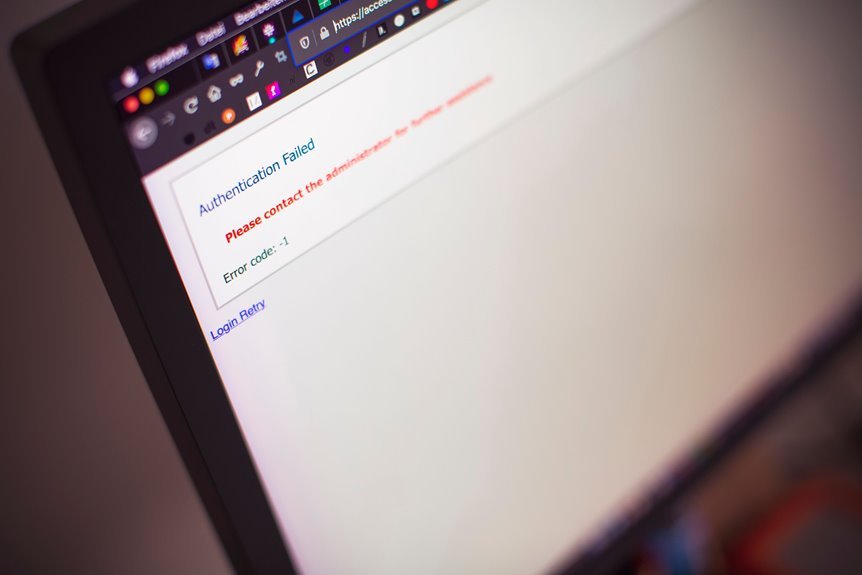
When users encounter login failures, a structured troubleshooting approach is essential to restore access without compromising security.
The procedure emphasizes verifying network security settings, confirming device compatibility, and applying stepwise authentication checks.
Isolate variables, test with authorized devices, and document outcomes.
Avoid bypasses; adhere to policy.
Once validated, reattempt access, reconfigure, and monitor for recurrence to preserve ongoing security posture.
When to Reset or Update Firmware for 19216818.1
Determining the appropriate timing to reset or update firmware on 19216818.1 requires a structured assessment of device behavior, security posture, and vendor recommendations. If persistent login issues occur, or notable firmware advisories exist, initiate a controlled update or reset. Consider firmware considerations, backup configurations, and login security ramifications to preserve system integrity and user autonomy. Proceed decisively, documenting outcomes.
Frequently Asked Questions
Can I Access 192.168.1.1 From a Mobile Browser?
Yes, it is possible. The user should access the router via its IP in a mobile browser, following precise steps. Emphasize accessing router safely, avoiding default credentials exposure, and maintaining secure access for freedom-minded users.
Is 192.168.1.1 Used for Any Devices Besides Modems?
Yes, 192.168.1.1 is not device-specific and can be configured on various local-network devices. 192.odyssey and 192.168.bliss frame this inquiry, while a disciplined, procedural approach guides network management for users seeking freedom.
How Do I Find My Router’s Default IP if Different?
Finding the default gateway requires checking device labels or running network commands; once found, changing router settings, accessing the admin panel, and securing the wireless network are advised steps for confident users seeking freedom.
Are There Safety Risks With Using Default Credentials?
Safety risks exist: default credentials provide easy access methods for attackers; device variability complicates defenses. The allegory speaks: a locked gate invites careless wandering, so safeguards must be applied, changing defaults, documenting access, and enforcing early credential rotation.
What to Do if I Forget Both Username and Password?
If credentials are forgotten, the device owner should reset using the manufacturer’s recovery procedure. Idea one: perform a hardware reset. Two word idea: follow prompts. Idea two: securely reconfigure. Two word idea: establish access.
Conclusion
Access the 192.168.18.1 login page with a stable, same-network connection and precise URL entry. Use default credentials first, verify accuracy, and attempt a controlled login. If access fails, update firmware or reset to factory settings, then reconfigure. Apply a structured troubleshooting approach, test with authorized devices, document outcomes, and monitor changes. Maintain security and reliability by verifying after each action, avoiding unauthorized attempts, and proceeding methodically, consistently, and recordably.