BySonu
90.150.204 Login Issues and Solutions
90.150.204 login issues present as authentication failures, timeouts, or cryptic errors. Causes span misconfigurations, blocked ports, or credential hiccups, with latency and DNS inconsistencies common indicators. Quick checks include connectivity tests, clock synchronization, and certificate validation. Practical fixes target misconfigurations, firewall rules, and password or token issues, followed by documented steps and retesting. Persistent problems warrant escalation, and proactive monitoring can prevent recurrence, leaving unresolved questions that warrant careful further examination.
What 90.150.204 Login Issues Look Like and Why They Happen?
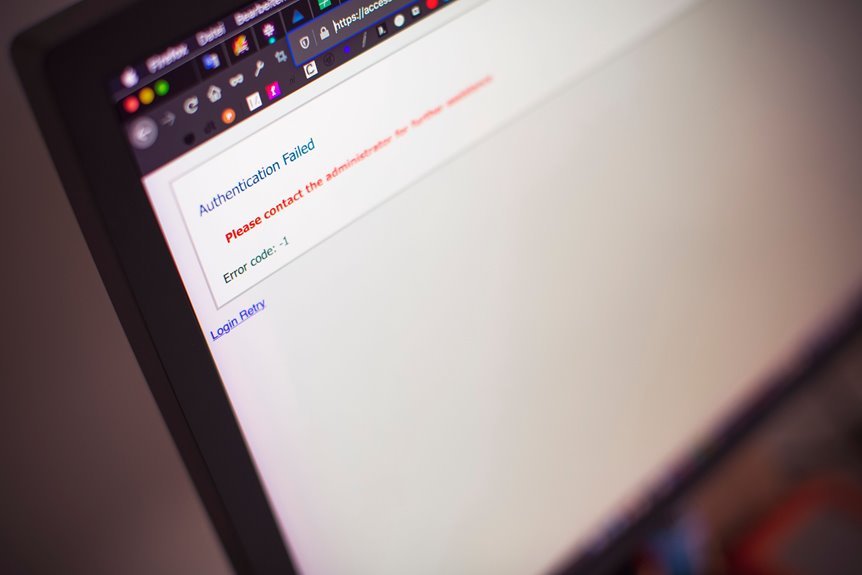
Login issues associated with 90.150.204 typically manifest as failed authentication attempts, timeouts during login requests, or error messages indicating connection or server unavailability. The situation prompts examination of patterns in access, error codes, and timing. Troubleshooting steps emphasize reproducibility, logging, and minimal intrusion. Confidentiality concerns and user privacy guide handling, with a focus on transparent communication and secure data practices.
Quick Diagnostic Steps to Confirm IP-Based Access Problems
Quick diagnostic steps to confirm IP-based access problems involve a structured verification of connectivity and authentication behavior. Observations focus on stable network latency patterns, recurring session timeouts, and potential user agent misreads. Analysts assess DNS mapping issues, ensuring domain-to-IP consistency, and verify client headers. This disciplined approach separates transient glitches from systemic blocks, guiding decisive, freedom-oriented troubleshooting without premature fixes.
Practical Fixes: Misconfigurations, Network Blocks, and Credential Hiccups
In this section, practical fixes address misconfigurations, network blocks, and credential hiccups with a disciplined, step-by-step approach.
The analysis targets common drivers: login timeout and certificate mismatch, followed by precise corrective steps. Verify server settings, renew or align certificates, update client configurations, and confirm clock synchronization.
Document changes, retest access, and maintain minimal, auditable logs to sustain operational freedom.
When to Escalate and How to Prevent Future Blockages
Escalation should occur when persistent or systemic issues exceed the scope of routine fixes or compromise security, availability, or compliance.
The article defines escalation criteria to distinguish urgent cases from routine repairs, ensuring timely involvement of appropriate stakeholders.
Prevention strategies focus on proactive monitoring, standardized response playbooks, and post-incident reviews to reduce recurrence and sustain operational freedom.
Frequently Asked Questions
Can 90.150.204 Be Used With VPNS Without Issues?
VPN compatibility varies; 90.150.204 may work with some providers but not all. Conduct DNS resolution checks, verify IP leaks, and test multiple servers. For freedom-minded users, prepare fallback options and monitor for inconsistencies during sessions.
How Do I Verify DNS Resolution for 90.150.204?
Verification steps include performing a DNS query for 90.150.204 using A, AAAA, and PTR records. The methodical approach confirms resolution status, while noting DNS query types and potential caching effects for a freedom-seeking audience.
Are There Known Devices Blocked by 90.150.204?
There is no public list confirming blocked devices for 90.150.204; however, certain hardware and software configurations may trigger access restrictions. Consider documenting blocked devices, assess vpn compatibility, and implement adaptive allowances for a user-centric, freedom-preserving approach.
What Logs Best Indicate Ip-Based Authentication Failures?
Log correlation and security auditing best indicate IP-based authentication failures; centralized logs reveal repeated DENY events, timeouts, and unusual source patterns, while failures align with policy mismatches. The methodical reviewer notes cross-system correlations for decisive clarity.
Does Rate Limiting Affect 90.150.204 Access?
Rate limiting can reduce traffic bursts and strengthen access controls, but does not inherently block legitimate users of 90.150.204. It moderates requests while preserving basic access for compliant clients, balancing security with freedom and operational continuity.
Conclusion
The analysis confirms that 90.150.204 login issues arise from a mix of misconfigurations, network blocks, and credential hiccups, often presenting as failed authentication or intermittent timeouts. Quick checks—connectivity, latency, DNS consistency, and clock synchronization—enable rapid isolation. Implement fixes methodically: correct settings, open necessary ports, refresh certificates, and verify credentials, then document steps and re-test. When problems persist, escalate promptly and establish proactive monitoring; ongoing visibility is essential, like a lighthouse guiding recoveries through recurring traffic storms.