BySonu
168.1.158 Login and Network Settings
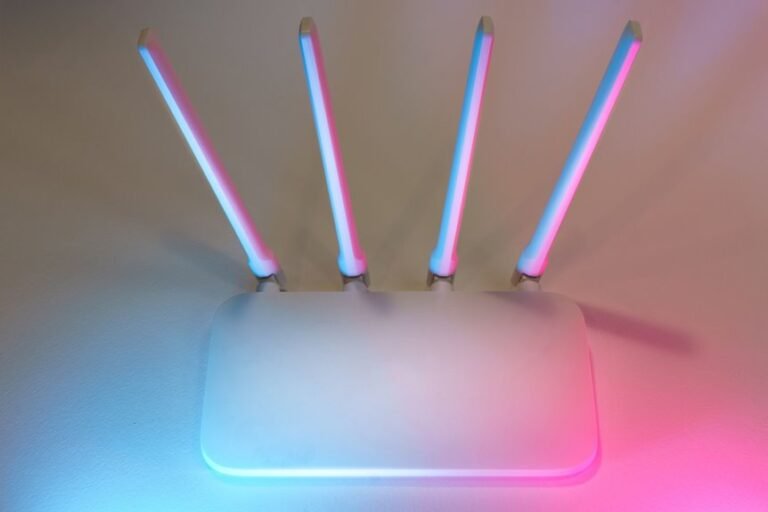
The 168.1.158 address reveals a private, local management interface demanding careful separation of administration and user traffic. A secure login is essential, with TLS sessions and restricted device access. Before changes, verify firmware status and maintain unique admin credentials. Centralized management supports future updates, while DHCP, routing, and SSID choices must align with topology. A single, strong WPA3-enabled SSID is advised, with regular credential rotation to sustain control as you proceed.
What the 168.1.158 Address Reveals About Your Network
The 168.1.158 address block often signals a private or isolated network segment rather than a public-facing endpoint, guiding administrators to scrutinize gateway configuration, DHCP scope boundaries, and routing policies.
Analysis focuses on how network topology shapes traffic flow and resilience, while notes on router firmware identify compatibility, security improvements, and performance implications for centralized management and future updates.
Accessing the Router Admin Panel Safely
Accessing the router admin panel safely requires strict adherence to authenticated access, encrypted channels, and minimized exposure. The procedure emphasizes authenticated login only from trusted devices, with TLS-encrypted sessions and strong, unique credentials. Practitioners should practice routine security audits, monitor for unauthorized attempts, and enforce access logs. Unlocking admin capabilities should occur after verifying firmware updates and confirming current router integrity.
Essential Wi‑Fi Setup: SSID, Password, and Encryption
Configuring the wireless network begins after confirming the router’s admin integrity and firmware status, ensuring a secure baseline before exposing Wi‑Fi details. The essential setup specifies a unique SSID with SSID security considerations, avoiding default names and broadcasts.
Password strength should be enforced: choose long, complex credentials, rotating periodically, and enabling WPA3 where possible to maximize encryption and resilience against access attempts.
Securing Your Network and Managing Guests and Devices
Securing the network and managing guests and devices requires a structured, proactive approach: monitor access controls, segment traffic, and enforce policy across all endpoints.
The posture emphasizes Secure guest access with time-limited credentials, guest VLAN isolation, and auditable sessions.
Device isolation prevents cross-contact, while enforcement via NAC and consistent firmware updates maintains a resilient, freedom-oriented, auditable network boundary.
Frequently Asked Questions
Can I Change 168.1.158 to a Public DNS Server?
The user can change DNS to a public DNS server. The guidance specifies: change DNS to a public DNS. This detached description notes that changing DNS involves selecting a public DNS provider and updating network settings accordingly with precise steps.
What Should I Do if I Can’t Access the Admin Panel?
An honest, clear head and a stubborn doorbell: if the admin panel is unreachable, verify network connectivity, reset device, and try alternative admin credentials. The solution focuses on access issues and admin access with proactive steps.
How Often Should I Update Router Firmware?
The updating frequency should align with vendor releases and security advisories; apply firmware safety updates promptly while monitoring stability. Regular checks prevent vulnerabilities, enabling informed control over network performance and preserving user autonomy. Routine schedules support proactive security management.
Is There a Risk Using a VPN With This Router?
Using a VPN with this router carries moderate risk; however, implementing robust VPN security practices and confirming DNS privacy measures minimizes exposure. The device can route traffic securely if encryption is strong and DNS requests are not leaked.
Can 168.1.158 Conflict With My Isp’s IPS?
Yes, IP conflict is possible if 168.1.158 overlaps with the ISP’s address space; proactive configuration minimizes risk. The device’s IP range should be checked, and ISP interaction ensures non-overlap, avoiding disrupted connectivity and preferential routing.
Conclusion
Conclusion: Privately perched parameters promote protected networks. Persistent, professional practices prioritize pristine privacy and pithy procedures. Proactive, precisely paired policies provide robust boundaries, blocking brute-force breaches while bolstering trusted devices. Periodic, progressive patches position routers for reliability, reducing risk. Passwords, privileges, and ports are prudently parsed, preventing penetration. Centralized, ciphered sessions safeguard sessions, supplying seamless service. With careful configuration, credentials, firmware checks, and DHCP discipline, networks remain secure, scalable, and smoothly functioning for all authorized users.