BySonu
168.9.9 Login Complete Router Setup Tutorial
The 168.9.9 Login Complete Router Setup Tutorial outlines a precise, methodical approach to configuring a dedicated router for local networks. It begins by identifying the default gateway and gaining access to the admin panel, then proceeds to secure wireless settings with WPA3, a unique SSID, and a strong passphrase while disabling WPS and enabling client isolation. Beyond initial setup, it emphasizes firmware updates, prudent DNS and QoS choices, and a structured troubleshooting path. The next step reveals concrete actions and potential pitfalls to anticipate.
What Is the 168.9.9 Router and Why You’Re Setting It up
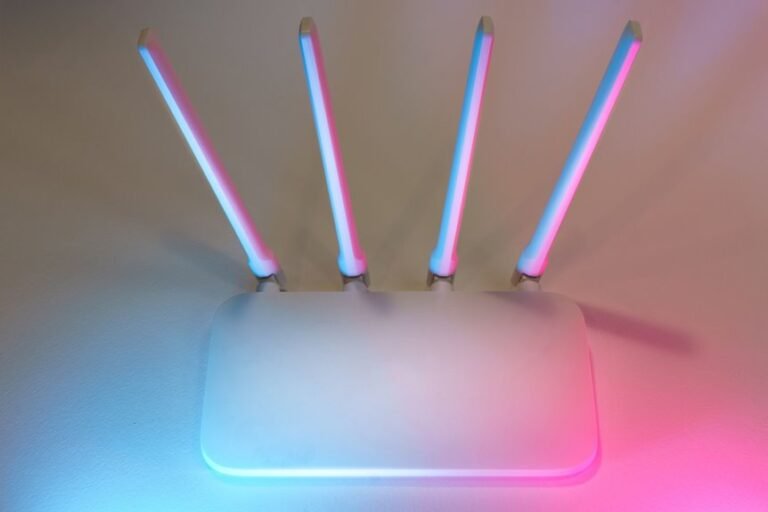
The 168.9.9 router is a dedicated networking device used to manage local area networks by directing data packets between devices and the wider internet.
It provides controlled connectivity, security boundaries, and traffic prioritization within a knowledge-driven environment.
This device supports configurability for performance and reliability, fosters an independent mindset, and fosters unrelated topic, random brainstorm ideas while maintaining disciplined technical boundaries.
Step-By-Step Login: Finding the IP and Accessing the Admin Panel
To begin, identify the router’s administrative endpoint by locating its default gateway address on the connected device, then enter that IP into a web browser to reach the login page.
The procedure supports network discovery and credential management.
This step-by-step access remains precise, enabling deterministic entry paths, minimized ambiguity, and controlled administrative access, while preserving freedom of configuration and future expansion.
Secure Wi‑Fi Setup and Basic Network Safeguards
Secure Wi‑Fi setup begins with enabling strong encryption, configuring a unique network name (SSID), and selecting a robust passphrase.
The detached review emphasizes network isolation, guest access controls, and MAC filtering as supplementary safeguards.
Privacy concerns are mitigated by disabling WPS and enabling client isolation.
Regular firmware updates are essential to patch vulnerabilities and preserve security posture without compromising performance.
Troubleshooting and Common Pitfalls (And Quick Fixes)
Common pitfalls during router setup often stem from misconfigurations, inconsistent firmware versions, or overlooked security settings, and they are best addressed through a structured diagnostic approach.
The discussion remains detached, focusing on troubleshooting latency and identifying common mistakes, such as DNS misrouting, QoS conflicts, and duplicated IPs.
A systematic method—verify credentials, reset to defaults, apply updates, reconfigure, test—ensures stable performance.
Frequently Asked Questions
How Do I Reset the 168.9.9 Router Password?
The reset procedure entails powering off, holding the reset button, and restoring defaults; afterwards, access the router to configure a new password. Emphasizing password security, the measure balances reliability with user autonomy and ongoing control.
Can I Bridge the 168.9.9 Router to Another Modem?
Bridging options are possible if the 168.9.9 router supports modem compatibility and acts in bridge mode; verify firmware, disabled routing, and WAN settings. The process yields network freedom, but requires compatible modem and careful configuration by the user.
What Should I Do if I Forget the Login Username?
When forgotten, the login username can be recovered via login recovery procedures, often by using a reset button or administrator email. If that fails, consult the router’s manual; ensure network security while proceeding, and avoid credential exposure. forgot password.
Is There a Default Wi‑Fi Name for 168.9.9?
The default Wi‑Fi name depends on the router; there is no universal standard. This router trivia suggests checking label or admin page. If absent, change it to a unique name—embrace freedom while preserving security with strong credentials.
How Often Should I Update the Router Firmware?
A prudent cadence is ongoing—update firmware promptly when released. This cadence balances risk and control. It resembles a measured heartbeat. Firmware update cadence should include routine router security patches and critical updates for optimal resilience.
Conclusion
In the quiet harbor of a home network, the router stands as a steadfast lighthouse. The login, a careful key, clears the fog from the beacon’s glass. Firmware is the tide, steadying the tower; WPA3 and a unique SSID are the vigilant guards, dusk and dawn. WPS sleeps, and clients drift apart. Troubleshooting sails in calm or squall, guiding all devices to safe harbors, where speed, privacy, and stability anchor the voyage with unyielding precision.