BySonu
168.100 Router Login and Configuration
The 168.100 router login and configuration centers on establishing a secure gateway for the network. It begins with locating the default IP and credentials, then securing WAN access and applying firmware updates. Wireless settings should use strong encryption, with guest access controlled and SSIDs optionally hidden. Regular backups, change-control, and drift monitoring are essential. Attention to known firmware flaws and misconfigurations is required to prevent gaps. A careful, disciplined approach sets the stage for the next configuration steps.
What Is the 168.100 Router and Why It Matters
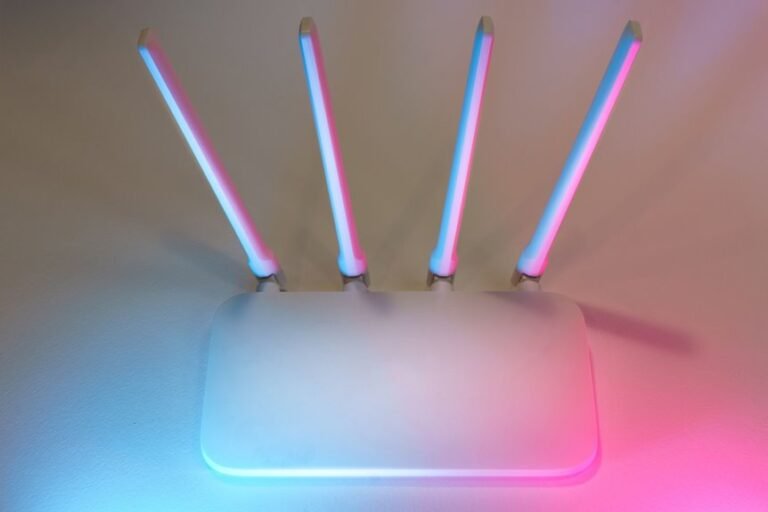
The 168.100 router is a networking device that functions as the central conduit for data exchange within its configured network, providing routing, switching, and basic firewall capabilities. It enables scalable segmentation, supports policy-based access, and underpins uptime.
Understanding its role informs security best practices and hardware replacements, ensuring resilience, predictable performance, and controlled exposure across interconnected subnets and services.
How to Find the Default IP and Login Credentials
To configure and manage the 168.100 router effectively, identifying the default IP address and login credentials is the preliminary step. The default login is usually documented on the device label or manual, while the router IP commonly falls within 192.168.0.1 or 192.168.1.1 ranges.
Firmware updates and network ports impact access; verify credentials before changes.
Step-by-Step: Secure WAN, Wireless, and Admin Settings
This step-by-step guide begins with securing the WAN connection, followed by configuring wireless and admin settings to mitigate common attack vectors and unauthorized access. The procedure establishes a secure network by enforcing strong WAN authentication, disabling unused services, and applying firmware updates.
Wireless security is tightened through WPA3, hidden SSID, and segmented guest access, preserving freedom and operational integrity.
Troubleshooting, Maintenance, and Common Pitfalls
Common issues arise during router operation, and a structured approach to troubleshooting, maintenance, and pitfall avoidance helps sustain uptime. Systematic diagnostics identify configuration drift, intermittent connectivity, and stale routes.
Regular firmware updates reduce security gaps and performance regressions.
Documented change control and backup recovery minimize downtime.
Awareness of security gaps and firmware flaws guides proactive remediation and long-term reliability without unnecessary disruption.
Frequently Asked Questions
Can I Change the Router’s Default IP Address Safely?
Yes, it is possible to change the IP address, but care must be taken to preserve connectivity. Change ip address thoughtfully, update DHCP and gateway settings, and consider router security implications to maintain reliable access and protection.
How to Back up and Restore Router Configuration?
Back up the router configuration by exporting backup settings to a local file. To restore, initiate the restore procedure from the admin interface, select the saved file, confirm, and monitor for successful reinitialization and preserved parameters.
What Parental Controls Are Available on 168.100?
Parental controls overview: The router provides configurable profiles, scheduling, and device whitelisting, enabling content filter options and safe-search enforcement. It supports time-based access, URL category filters, and keyword blocking, empowering users seeking freedom with controlled browsing.
How to Update Firmware Without Losing Settings?
Update firmware without losing settings by backing up, then applying the upgrade, verify integrity, and restore backups if needed; change IP address post-update if required, and reconfigure parental controls; concise, technical steps for freedom-seeking users.
Are There Guest Network Limitations or Quotas?
Guest network may have quota limits and parental controls; firmware updates do not inherently disable these features, but administrators should review per-user quotas and control profiles to ensure policy consistency with desired freedom.
Conclusion
The router sits at the edge, a quiet sentinel guarding every packet. With the default IP and credentials located, and WAN, wireless, and admin settings hardened, the network becomes a fortress of compliance and control. Yet shadows linger—unseen firmware flaws, drift in configurations, or forgotten backups. A practiced admin anticipates each tremor: updates, audits, and backups. When vigilance pays off, the gate remains sealed, the data stays private, and the path from device to destination stays confidently open.